
- 0
- 673 words
Choosing the right fitness trainers can dramatically influence your fitness journey. A well-qualified trainer not only guides you through exercises but also ensures your safety, motivates you, and personalizes your fitness plan. But how do you identify the qualifications that separate an average trainer from an exceptional one? This guide highlights the essential credentials, experience, and qualities a professional fitness trainer should have.
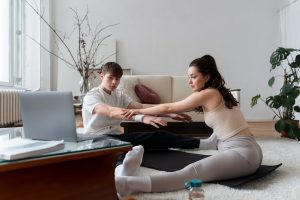
Understanding Fitness Trainer Qualifications
When evaluating a fitness trainer, it’s important to know what qualifications a fitness trainer should have to provide safe and effective guidance. Qualifications encompass formal education, certifications, experience, and soft skills that ensure a trainer can work with diverse clients, including seniors, beginners, and athletes.
- Formal Education
Most credible trainers hold a degree in fields such as kinesiology, exercise science, or physical education. These programs provide a strong foundation in human anatomy, physiology, and nutrition.
- Example: A trainer with a Bachelor’s in Exercise Science will understand muscle groups, cardiovascular function, and safe exercise progression.
A formal education helps trainers design well-rounded programs, prevent injuries, and support clients in achieving long-term results.
- Professional Certifications
Certifications are a key indicator of a trainer’s expertise and commitment to professionalism. Reputable organizations like ACE (American Council on Exercise), NASM (National Academy of Sports Medicine), or ISSA (International Sports Sciences Association) provide certifications that are widely recognized in the fitness industry.
- Pro Tip: Always check if the certification is up to date, as fitness standards and safety protocols evolve regularly.
Certifications ensure a trainer has passed rigorous exams covering exercise techniques, client assessment, and safety practices. A certified trainer is also more likely to have specialized knowledge, such as strength training, weight management, or senior fitness.
Key Skills and Experience Every Trainer Should Possess
While certifications matter, practical experience and personal skills are equally important. Here’s what to look for:
- Hands-on Experience: A trainer should have experience designing programs for clients with different fitness goals, body types, and health conditions.
- Communication Skills: Explaining exercises clearly and motivating clients effectively is crucial.
- Adaptability: Trainers must adjust workouts based on client progress or limitations.
Example: A trainer working with a senior client may substitute high-impact cardio with low-impact alternatives to prevent joint strain while still promoting cardiovascular health.
Specialization Areas
A professional trainer often has specialized training in areas such as nutrition coaching, sports performance, rehabilitation, or senior fitness. Specialized knowledge allows the trainer to address unique needs, from injury prevention to enhancing athletic performance.
- Example: A strength training coach with experience in post-injury rehabilitation can design programs that rebuild muscle safely without overstraining the body.
Pro Tip: Ask potential trainers about their areas of specialization and examples of client success stories. This provides insight into their practical abilities and coaching style.
Importance of Soft Skills and Professional Ethics
Apart from technical qualifications, soft skills significantly impact a trainer’s effectiveness. Traits such as patience, empathy, and professionalism can enhance client motivation and ensure a positive training experience.
- Example: A trainer noticing signs of burnout can modify the program to maintain engagement without risking overtraining.
Professional ethics also matter. Trainers must maintain client confidentiality, provide realistic expectations, and avoid one-size-fits-all advice.
How to Evaluate a Fitness Trainer
To ensure you choose a trainer who meets your goals, consider the following:
- Verify certifications and educational background.
- Ask for client references or testimonials.
- Observe a training session if possible.
- Ensure their style aligns with your personal fitness philosophy.
By following these steps, you can identify a trainer with both the knowledge and personal skills needed to guide you safely and effectively.
Conclusion
Finding the right fitness trainer is more than a convenience; it’s an investment in your health and success. Knowing what qualifications a fitness trainer should have helps you make an informed choice, whether you are seeking weight loss, strength building, or overall wellness. Look for formal education, professional certifications, hands-on experience, and strong soft skills. Combining these qualifications with specialized knowledge ensures a trainer can provide personalized programs that inspire, challenge, and protect you throughout your fitness journey.
Author

Sloane@lifespark.uk
Related Posts

How Can Consistent Dog Running Change Your Dog’s Daily Routine?
- 0
- 911 words
Dogs thrive on routine, and few things shape that routine more than how much physical activity they get each day. For many...

Functional Medicine Health Coaching: A Personalized Path to Better Wellness
- 0
- 1,008 word
Health is not always about treating a single problem. Sometimes, it is about understanding how sleep, food, stress, movement, daily habits, and...
Read out all
A Simple Guide to Finding the Best Place to Buy Kratom
- 0
- 569 words
Online shopping is convenient, sure, but it comes with a built in layer of uncertainty, especially with something like kratom. The good...

Smart Shopping Tips for Any Adult Toy Store in New Zealand
- 0
- 1,209 word
Shopping at a toy store NZ retailer for adult products should feel empowering, not intimidating. Whether you’re browsing vibrators NZ shops offer...
Read out all
Guía para Planificar un Proyecto Sostenible que Genere Valor a Largo Plazo
- 0
- 1,227 word
Cada proyecto de construcción o desarrollo representa una oportunidad para mejorar el entorno y responder a las necesidades de la sociedad. Sin...
Read out all
How a Multidisciplinary Approach Helps Mothers Prioritize Their Health at Every Stage
- 0
- 922 words
Motherhood is often filled with responsibilities, schedules, and endless demands. Between caring for children, managing households, and balancing careers, many women place...
Read out all